Wednesday, December 31, 2008

East Cluster Meeting Minutes, December 31, 2008

Flowstaff Support

  • Flow has been going well. No concerns.
  • Barb circulating a list of injection room supplies for comment.
  • Vaccinations: Becky has a preliminary version of a chart breaking out what clusters and CORE roles are. Basically, only children under 4 yrs MUST go to CORE for injections. The flow question is harder, as only Barb can now do the injections in East cluster. To be worked out. Temporary solution is to route patient to flowstaff after visit, flowstaff to determine cluster vs. CORE for shots.
  • We all think MAs should be able to give immunizations. This request is in process.

Quality

  • AVS rate clinc-wide last week was 93%, bested only by Factoria and Downtown.
  • Excellent discussion around various ways to approach our patients with recommendations for labs, studies, or other types of care. Cheryl makes calls, and learns a lot from patients about what's good and challenging for them in managing chronic diseases. Barb sends letters, which might give patients the chance to feel less pressured.
  • Last week we created a concise table of HEDIS measures we will prioritize, including Children's Health, Diabetes, Heart Care, and Cancer Screening. The very nice table is inelegantly translated into text here:

Children's Health

Immunizations: Child Combo 2*
Children 2 years of age who have had the following immunizations:
Diphtheria, tetanus, pertussis (DTaP) (4 doses)
Inactivated polio virus (IPV) (3 doses)
Measles, mumps, rubella (MMR) (1 dose)
H. influenzae type B (Hib) (3 doses)
Hepatitis B (HepB) (3 doses)
Chickenpox (varicella) (1 dose)

Vaccination is not required for children with a documented history of the illness or who are seropositive. For example, children who have a documented history of chickenpox are not required to receive this vaccination.

Diabetes
DM: HbA1c Test*
Individuals 18-75 years of age with type 1 or type 2 diabetes who have had an HbA1c test in the past year.
DM: HbA1c >9.0%*
Individuals 18-75 years of age with type 1 or type 2 diabetes whose most recent HbA1c was >9%. (A lower rate is desired.)
DM: LDL Screen*
Individuals 18-75 years of age with type 1 or type 2 diabetes who have had their LDL cholesterol measured within the past year.
DM: LDL <100*
Individuals 18-75 years of age with type 1 or type 2 diabetes whose most recent LDL cholesterol level within the past year was < 100 mg/dL.
DM: Nephropathy Monitoring*
For individuals 18-75 years of age with type 1 or type 2 diabetes without evidence of known renal disease, monitoring includes:
• Screening test for microalbuminuria in the past year or
• Taking an ACE inhibitor or an angiotensin receptor blocker (ARB)

For individuals 18-75 years of age with type 1 or type 2 diabetes with known renal disease, monitoring includes
• Laboratory evidence of macroalbuminuria
• Diagnosis of end stage renal disease, diabetic nephropathy, chronic renal failure, renal insufficiency, etc.
• Visit to a nephrologist
• Dialysis
(Group Health recommends annual microalbuminuria screening for all diabetic individuals without known renal disease, including those who are taking an ACE inhibitor or an ARB.)

Heart Care
CAD: Persistence of Beta Blocker Treatment
Individuals 35 years of age and older with the diagnosis of myocardial infarction (MI) who continued to take a beta-blocker for at least 6 months following their MI.
CAD: Cholesterol Management – LDL Screen*
Individuals 18-75 years of age who were diagnosed with atherosclerotic cardiovascular disease (ASCVD) one to two years ago who had an LDL-cholesterol screening performed within the past year.
CAD: Cholesterol Management – LDL<100*
Individuals 18-75 years of age who were diagnosed with atherosclerotic cardiovascular disease (ASCVD) one to two years ago whose most recent LDL-cholesterol result was <100>

Controlling High Blood Pressure*
Individuals 18-85 years of age ago whose most recent blood pressure reading at an office visit during the past year was <140/90.>

Screening

Breast Cancer
Women 40–69 years of age (excluding women who have had bilateral mastectomies) who have had a mammogram within the last two years.

Cervical Cancer*
Women 21–64 years of age (excluding women who have undergone hysterectomy with removal of the cervix) who have had a Pap test within the last three years.

Colorectal Cancer*
Individuals 50-80 years of age who have had one of the following:
• Fecal occult blood testing in the past year.
• Colonoscopy in the past 10 years.
• Flexible sigmoidoscopy in the past 5 years.
• Double contrast barium enema in the past 5 years. (Group Health does not recommend double contrast barium enemas for colon cancer screening.)

Thursday, December 11, 2008

Diabetes Management Resources and Guidelines for Use

Diabetes Management Resources and Guidelines for Use

This document is designed to give providers and flow staff information regarding the diabetes resources that are currently available, as well as guidance with regards to when these resources may be used. These are simply guidelines, and providers should use their best judgment when referring patients.

Team RN
New insulin teaching
Insulin type change

RN-DM Teaching (from green packet)
Complex teaching
Type 2 diabetes with insulin start, change of insulin, insulin dose titration needed

Flow Staff: Any diabetic
Download glucometer readings
Hand out survival skills (Red) folder

Pharmacist: Any diabetic
Teach glucometer basics

Diabetes Education Class: Any new diabetic or chronic diabetic who needs more information on these topics
Teaches diabetes self management
Discusses diabetes labs and what they mean
Discusses medication types and what they would be used for
There is minimal nutritional information given
This is a 3 hour group class and happens about once every 2 months

Diabetes Nutrition Class: Any new diabetic or chronic diabetic who needs more information on these topics
Nutrition
Exercise
This is a 2 hour group class and happens once a month

Diabetes Expert Team MD: Any complex diabetic whose diabetes has continued to be uncontrolled despite use of above mentioned resources
Complex diabetes management

December 10, 2008 West Cluster Meeting

December 10, 2008 West Cluster Meeting Notes
Present: Becky, Sarah, Ashley, Doug, Kelly, Esma, Star, and Nadia Duffy

Verify ID by birth date or last name once in private with patient.

Rectal temps on 3-5 day and two week visits; Ashley will check with Shiji on this and get back to us.

Discussion as to if flow template should be cluster or building wide…. To be discussed later

Discussion about highlighting things on the flow staff list that are not done regularly such as PHQ9, etc.

Flow staff and Saturday staff should check and stock rooms with gowns, speculums, stuff yellow flow sheets in red folders when not busy with other duties.

Flow staff should be checking all MD/PA’s outboxes whether they are flowing them or not (even if the provider is not here)

Peds vax during 1-2l; do flow staff in east feel comfortable doing? Yes.

Not scheduling peds well visits last slot in AM due to injection room being closed between 1&2.

Ask provider; if last person in AM needs injections, either give them or send them to CORE before provider is in room.

Think about questions for Kris Moore / HEDIS.

Building will open at 8AM in March; maybe lunch moves to 12-1; Becky and Marty will discuss and let the clinic know.

Meeting closed at 2:20pm

Star Morales, CMA

Wednesday, December 10, 2008

Unread secure messages

The Unread Email
A very short play
Doug
Are your clusters currently tracking or checking for unopened secure messages? I know we used to do this but it seems to have fallen off the map. Our cluster is starting to use MyGroupHealth more for results reporting but we want to figure out the best way to make sure pts get them. If you are checking, how often? Who does it? Are you duplicating messages with phone calls?
David
For those that are critical I leave a message or leave the original item open until I get a reply. If I don't hear back in a few days (depending on how critical), I'll send a call.
Marty
You can open you’re MyEpic screen and pull up a list of all the patients who have not opened their email.

Provider cross-coverage procedure

Provider cross-coverage procedure

Determine how long the provider will be out
  • Check the posted cluster calendar for absence greater than 24 hours
  • Note staff messages sent from provider going on leave
  • Tell visiting locums/floats when the absent provider will return

Covering for a regular day off

  • Read all new and address all urgent
  • Urgent issues are most likely found in
    Patient calls/ call back
    Results
    Staff Messages
    PCP paper inboxes
    “!” messages of any type
  • RX authorizations- Clinical judgment will determine whether controlled substances should be authorized (hospice) or held until PCP returns

Manage non-urgent work

  • Preventing the building up of work is essential for the smooth operation of the clinic.
  • Moving simple/straightforward tasks forward even on regular days off is helpful.
  • Examples: Medication Cosign/ Order cosign

Keep a clear inbox

  • A clear inbox can minimize time spent doing cross coverage and reduce error. Keeping one’s own inbox clear is helpful for regular day-off coverage and more extended absence as well.

Covering for a provider gone longer than one business day

  • The inbox must be cleared of all urgent and non-urgent task
  • Know how to forward date inbox material to a returning provider
  • Reviewed but incomplete tasks or CC charts should be forwarded (using the forward date feature) to the PCP such that they arrive back in the basket the evening/day before the PCP returns. This will prevent tasks from being reviewed by multiple cross-covering providers.

Special Attention

Patients need to be notified of any results from testing done at central (holter monitor, DEXA scan, CT scan, ultrasound, echo, spirometry) ordered by a provider at Burien or pathology results from a procedure done at Burien. Occasionally, a result is urgent enough to warrant patient notification on a provider’s regular day off as well.

December 1, 2008 North cluster meeting

1) Absences for week of 12/1-12/5/08Wong out this weekDozois CME on Friday
Future time out: Doughten 12/15-18/08Isaac 12/23-1/2/08,
Lynn will look at options for peds coverage during this 2 week time span
Dozois 12/24-12/31

2) Follow up from last week-printer location change workorder pending-fluoride smart sets use , vigilance continues-AVS use 98%!-same day HEDIS screening- going great!

Liz/Lakisha doing a fabulous job, will see results with report that comes out every 3 months.
-off loading nurses, continue to bunch orders, encourage continued ideas regarding this.

3) New items

a) Ted request: procedure set up standardizationWe will send out copy of procedure set ups that we have( see attached) , ask providers to review and discuss next cluster meeting, including IUD, Implanon, joint injections, biopsy etc.

b) Liz request: urgent/last minute result note/follow-up: make sure we send to ma/lpn pool especially if going into weekend, as MA's may not get to their box till after clinic day and may be too late. (example given a pt with UTI, rx sent to MA pool, Ma saw at 515 and did not have time to adequately address prior to long weekend)

c) Anna request: pamphlet holders for peds and fp pamphlets in hallway, Becky to look into.

d) Ted request: Stock room with anoscopes in warm drawer and range of speculumse) Review which HEDIS measure we can target for next week.

4) FYI:

a) North cluster meeting being moved to AM's starting in January (8:30-9:10). Mark Christenson will let us know when we can do that (depends on template)

b) Diabetic retinal screen available 1/28/08. Please let patient know it is just for that, not a routine eye exam, that still needs to be scheduled at central if appropriate.

c) Small bottles of peidalyte and formula will be available near Lynn's desk for fluid challenge as well as cord clamp release devices soon.

West Cluster Meeting Notes 11-26-08

Present: Doug, Star, Timieko, Ashley, Sarah, Mark, Sherrie

Mark took us upstairs and explained what changes were to take place.

Providers will make decisions about chronic coding for Medicare patients.

Explanation of red folders and flow of folders coming in to cluster.

Unread emails – MD’s will print out list weekly for flow staff to call anyone who has not read emails within seven days.

Diabetic retinal exams will be done at BRN 1/28. Working on managing patients on G drive. These exams are usually done q 2 years unless abnormal.

Occ Med provider will work out of the PT bldg ½ time shared with RTN beginning about 2/1. This includes CDL exams.

Initial L&I exams can be seen by any provider.

Discussion about flow float staff. We are in process of setting up guidelines for flow on the west, just tweaking the east’s list and this will be put into the notebook with the peds and ob info flow and handouts.

Discussion about using oral temps instead of tympanic temps; one of the tympanic thermometers regularly registers about 96….

Meeting closed about 2:20pm

CORE MEETING Minutes November 18th, 2008 (0800 to 0900)

Topics for Discussion

8:00- Injection room Changes
1. Call Center will start making appointments for Core and Injection room. Marc Christianson attended and went over how the process would work. He stated that they are still working the “kinks” out, and recognize that there will be a learning curve. Staff voiced concerns regarding conflicts in appt times, incorrect Information, and wound care appointment that would not reflect what actually needs to happen

8:20 Lunch time Impact on Core
1. Best time to close injection room would be 1:00-2:00 this time would have lowest impact on PCP’s and patients. (PCP’s take lunch at 12:30, and start seeing patients again at 1:50)
2. Drop In’s- will put a sign up in clinic letting patient’s know that the “injection” room will be closed from 1-2pm
3. Becky will discuss this change with Dr. Levine for approval. Go Live date is 12/1/08

8:35 Pharmacy Changes
1. Getting medications faster- New protocol is working well wait times for
Has decreased 100%
2. Par Stock: staff agreed that no new medication needs to be added, and that
We just need to double the amount we currently have.

8:40 Late Shift- Carried over from last Meeting
1. Not Working- limited staff, along with decreasing overtime a new protocol needs
To be developed. Pat will follow up on number of patients sent to Core causing
Staff to stay late and will present results at 12/2/08 meeting.

8:50 Pt coming from PCP needing labs, injections, X-rays, forms not filled out.
Staff has not seen any progress in this issue. They feel that the PCP’s need
to be aware of their role in sending pt’s to core and how it impacts the flow

Next Meeting will be December 2, 2008 at 0800 in MD Lounge.

East Cluster Meeting Minutes, December 3, 2008

Attendees: David Butler, Nicole Trombley, Cheryl Rogers, Barb Meier, Marty Levine, Sheila Collins, Mark Christianson

Flow Nurse Support

MA/LPNs not taking breaks and they should: 15 minutes/half day. The group unanimously agreed breaks should be taken.

Docs reviewing the AVS with patients saves the MA/LPNs time and the patients like it.

Docs should ALWAYS enlist the help of the MA/LPNs when the following are needed: urine collection, nephrolithiasis strainer, stool culture, sputum collection. Docs have sometimes simply sent patients to lab to get these things and the lab technicians will send them right back.

Immunization management in the cluster needs to be done well and we discussed several key points about immunizations.

1) Consent forms for shots must be completed in the cluster (not CORE)

2) Consent forms must have patient labels affixed to both sides within the cluster

3) Vaccine information sheets (VIS) are the responsibility of CORE to provide patients, but patients often want them from the cluster and the cluster should be prepared to provide them

4) As part of preparation for the start of the half day, the MA/LPNs should prepare immunization consent forms for all patients and have them ready in the exam rooms upon completion of rooming

5) The CORE uses the vaccine consent form to tell them what shots are ordered. The CORE does not routinely check the orders in Epic placed by the physician. Though the physician may put immunizations in the note and orders to properly document what has happened at the visit, it is not important to do this to ensure that vaccines are administered. Because vaccines have standing orders by default, docs don't have to order them.

6) MA/LPNs can find the process of determining a catch up schedule for children immunization onerous. MA/LPNs do not have the confidence that they can do this work and seek out other nurses for help. This can create a bottleneck situation. It might be preferable to develop MA/LPN skills/confidence with catch up immunizations to make this easier.

7) FYI -- the CORE now gives out stuffed animals to children after shots.

Gout dot phrase

Thanks Jason!

1. Take colchicine 1 tablet every hour as needed for gout attack (not to exceed 6 tabs in 1 day). Note that this will cause diarrhea at high doses.
2. Ice 15 min, at least 3 times a day.
3. Naproxen 500mg twice a day for pain (drink lots of fluids).
4. If no improvement, return for needle aspiration/injection.

---------------------------
Diet and Gout

Purines (specific chemical compounds found in some foods) are likely to be broken down into uric acid. A diet rich in purines from certain sources can raise uric acid levels in the body, which sometimes leads to gout. A 2004 study reports that meat and seafood may increase your risk of gout, while dairy products may lower your risk. The study also found that purines in vegetables do not increase the risk of gout.

Foods to limit (very high in purines):
-Beef
-Pork
-Lamb
-Seafood
-Yeast (used in beer and bread)
-Alcoholic beverages, particularly beer2
-Bacon

Foods to eat occasionally (moderately high in purines, but may not raise your risk of gout):
-Asparagus, cauliflower, mushrooms, peas, spinach
-Whole-grain breads and cereals
-Chicken, duck, ham, and turkey
-Kidney and lima beans

Foods that are safe to eat (low in purines):
-Green vegetables and tomatoes
-Fruits and fruit juices
-Breads and cereals that are not whole-grain
-Butter, buttermilk, cheese, and eggs
-Chocolate and cocoa
-Coffee, tea, and carbonated beverages
-Peanut butter and nuts

Dairy products that may lower your risk of gout:
-Low-fat or skim milk
-Low-fat yogurt

If you have experienced a gout attack or have high uric acid in your blood (hyperuricemia), it is important to reduce your intake of meat and seafood, as well as beer.

Changing your diet may help lower your risk of having future attacks of gout. Reaching and maintaining a healthy body weight can help too.

Epic dot phrases and standing order sets

This from Jason yesterday:
Kitty just showed me this list of system-wide dot phrases. Seems like a good thing to skim over at least once to see if you might find anything useful on it.

The link is an intranet only link, so you'll have to be logged in at work or home.

I got some help yesterday, too, in setting up a list of standard order sets for things like diabetes. Rather than go through endless typing (or talking with Dragon) and clicking, I created a standard set of standing labs that sits in my preferences. This is a real time-saver and ensures that don't make a careless error in my orders.

Unfortunately, these order sets are user specific, so I can't export them or share them. We all have to set up our own. If you want help with this, I'd be glad to help if Kitty isn't around.

Wellesley


Wednesday, November 26, 2008

East Cluster Meeting Minutes, November 26, 2008

Again, a fantastic gathering even despite vacation absences.

Flow
  • Overall, things continue to feel smooth. No major challenges to effective flow through the day.
  • We discussed what the new centralized appointing system means to our workflow. Mark and Becky explained well what the patient experience will be when they call in.
  • We took advantage of Mark's presence to discuss the challenges of helping patients get from the front door to their provider. There are survey requirements of the front desk admin staff, especially for patients with various kinds of payors. This can create a backup in the check in line, unwanted by everyone. What to do about this? There is an effort to make sure there is flexible staffing available to meet demand, and there is a remodel of the check-in area in the design stage. This is a lean opportunity, if ever there was one!

Quality

  • New Dashboard numbers are out. We reviewed these together and note that there is not yet an association between the current data and our recent efforts. We'll need a three month lead to see what effect our outreach is having on HEDIS data.
  • We broadened our discussion about quality today, talking about how to include patient experience in our quality work. We have agreed already to include a guiding statement at the top of our standard workflow document, indicating that each of our patients should answer with an enthusiastic "Yes!" to the following:

I have one person I think of as my personal doctor or nurse

It is very easy for me to get medical care when I need it

Most of the time, when I visit my doctor’s office, it is well-organized,
efficient, and does not waste my time

The information given to me about health problems is very good

I am confident that I can manage and control most of my health problems

I feel able to give meaningful feedback to my doctor’s office about ways
things could be improved

  • It is not yet clear how we should measure this. There exists already a strong effort by GHC to evaluate patient satisfaction, but the quesitons are not precisely the same. More to come on this in future meetings.

THE GREAT North Cluster Meeting

Meeting notes from November 24, 2008

1) follow up from last week
  • printer location feedback:will try and move where scale is and see if more practical.
  • fluoride smart sets use, we are doing better
  • AVS use, doing great!
  • same day HEDIS screening, providers find very helpful Flow staff have been GREAT! Its up to providers to act on HEDIS(lets go providers!)
  • off loading nurses, continue to group result notes and use My group health as much as possible
  • flow sheets for MA's, no changes flow staff feel they are accurate
2) New items
  • standardize pediatric resources available to patients. Basically, teens have a teen book and Well child handouts in Peds drawer

4) Core/cluster communications
  • providers remember to send patients out with yellow sheet and consent form for immunizations so core staff know they are coming from clinic and not as ' walk in'
  • we need to work hard with core to make sure we check in with them on their availability and respect their time constraints and vice versa. We will continue to work on respect/support of one another as we are all working very hard!
  • ear irrigation, try to have patients schedule with core if at all possible
  • ted hose, have MA or pharmacy measure when appropriate and avoid sending to core if they don't need AAI, if they need AAI, have patient set up appt.
  • basically try to off load core when we can and avoid walk-in appt's when at all possible so they can plan their day accordingly

Wednesday, November 19, 2008

How do you say your name?

This suggestion sent in by Errick:

Clinical Staff should consider opening and editing in Family Comments
section of EPIC SNAPSHOT to input (or review) phonetic breakdown for unusual
pronunciations of names.

In the spirit of "…continue to do better for our patients…", we have
all had that moment of "wondering how to pronounce the name" or worse, being
instructed (again) "how to pronounce the name" by the patient.

My thrust is not to MAKE work, but to connect better with our
patients.

Thanks Errick for the great idea. I have followed Dr. Levine's practice of including "goes by" and pronounciation in the social history section of the member's chart. I can drop this into a note by typing ".socdoc" in a text field. We don't have a standard practice across the clinic, but perhaps we should.

Further comment from Dr. Levine:

"Having a reminder for how to pronounce a name matters. As Dr. Chapman said, if we put this in social documentation we can retrieve it with dot phrase, whereas there is no dot phrase available to retrieve data from the Family section in the snapshot."


And from the West Cluster:

"The West cluster talked about this at a cluster meeting and arrived at the family comments section of snap shot as our general preference, FYI."

MyEpic Teaching Links

Sarah Philp asked if I would post some of the teaching pictures I use as visual aids in clinical visits. I have a handful that I use a lot to support concepts or practices that are hard to explain. I've included these below.

I also use the MyEpic links to get me quickly to references I use during visits: BMJ clinical evidence, cardiac risk calculator, the GHC formulary, and FirstConsult.

Here are my teaching images:

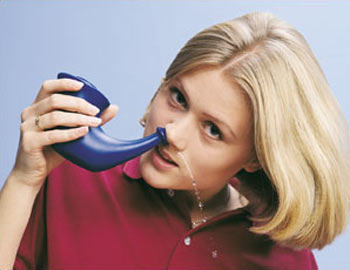
Neti Pot. I'm a neti pot zealot, and recommend these sinus rinses to almost everyone with a nose. It is easier to show people pictures--first of the sinuses, then of someone using a neti pot--than to try to explain it. There are lots of pictures online, and some interesting YouTube neti pot videos, but I use this image: http://paxarcana.files.wordpress.com/2008/01/neti_pot.jpg

Sinuses. This is a nice lateral view of the sinuses, which I use mostly as supporting photo for the inevitable neti pot recommendation. http://www.sinusinfocenter.com/images/SinusPollenLarge.jpg

Eustachian tubes. I use this to help teach about ear pain, and dizziness. It is animated, but not helpfully so.
http://www.dizziness-and-balance.com/anatomy/images/Middle-Ear-Pressure.gif

Male GU. Helpful in explaining the prostate and why BPH does what it does. http://www.rush.edu/rumc/images/ei_0327.gif

Diet plate. I'm not sure how I really feel about this one. I was looking for a simple kind of diagram to drive home the concept "eat mostly plants" for thos who ask questions about dieting. My hope is to simplify the complicated mess that complicated diet books push on people. This image doesn't quite do what I want, it's too busy, but it is a reasonable teaching tool. http://www.food.gov.uk/images/pagefurniture/eatwellplatelarge.jpg.

I add and remove images regularly, depending on what kinds of things I think I want visual aids to teach. I use Google Images for searches.

East Cluster Meeting Minutes, November 19, 2008

The East Cluster had another great meeting today. Here's the summary.

Flowstaff Support (standing agenda item)

Things have been running smoothly this past week. The level of organization that comes from our daily communications (in huddles) and in weekly meetings has improved flow overall.

We discussed making a focused effort to get our members signed up for MyGroupHealth, with the goal of improving communication with our patients by giving them access to their primary care provider through e-mail, access to their clinical results, and reducing the number of phone calls made by providers and nursing staff to discuss results. It was noted that with the advent of Medical Home in 2009, there will be renewed efforts around participation in MyGroupHealth.

...but we're starting now.

We agreed to use existing handouts to educate our members and encouraged them to sign up for MyGroupHealth. We will also write a quick dot phrase for after visit summaries and post it to this blog.

Pursuing Quality (standing agenda item)

First this: Burien's AVS rate is 98%!!! Great job everybody! We're this close to 100%.

In the past week, we have standardized several tools discussed in our previous meeting. These include copying PCPs on HEDIS outreach calls, scanning daily schedules for patients with HEDIS needs, discussing these in huddles, and "green dotting" those patients. This has worked very well for everyone.

Ongoing outreach efforts have uncovered some complex situations, including members who have met their HEDIS measures already, and patients who can't (due to allergies, for example). We have a line of communication open to correct the list so our quality scores reflect the health efforts we and our patients are making.

The data we get do have a lag of about two months: we should start seeing the results in our quality measures soon.

Great work! We'll meet again next Wednesday, November 26 at 8:15a.

Wednesday, November 12, 2008

Katie's HEDIS telephone encounter dot phrase

Thanks, Katie! This will be useful to anyone doing outreach calls to patients in need of visits, labs, and screenings.

Patient has not met the Hedis Measurements for the following criterias:

Diabetes/Heart/Others:
-A1C
-LDL
-Retinal Screening
-Ace/Statin/Antiplatelet
-*** Ca Screening
-*** Ca Screening
-*** Ca Screening
-***

Last OV was *** with *** for ***

Comment/Plan: ***

Dragon

On Monday morning at dawn I drove to Tacoma to learn to use Dragon, our voice recognition software. That brief experience was transformational and how I think about using technology in my daily practice. It is clear that one can perform every imaginable computer operation without the use of one hands. I don't think however become that skilled, but I certainly can use voice recognition to do my daily work better and faster.

I type pretty quickly, but my keyboard rate simply doesn't compare to the roughly 120 words/min I can accomplish with voice recognition.

One of the things I learned today in a one-on-one training session with Ed Rosenthal is that we can share voice commands -- basically verbal dot phrases -- the same way we share keyboard dot phrases. These voice commands are saved as a series of files into shared location that anyone who uses voice recognition software at Burien can access.

An example: The neti pot phrase I recently shared on this blog can be packaged into a voice command, something like "dot neti pot" that would then spit out an extended list of neti pot instructions. If you wanted to use this phrase in Dragon, you would simply import it into your own Dragon profile from the shared drive.

Another example: Dragon can be taught to recognize, and spell correctly, complex and commonly used names. This morning, I taught Dragon to recognize one of our orthopedics specialists with a difficult to spell name. Doing this will ultimately save me time in my documentation.

I just begun to learn all of the things that voice recognition software can do. Very exciting!

The only challenge I have really encountered thus far is the software's tendency to misrecognize some common nonmedical language. So please excuse me if there is anything above that doesn't make sense--I'm voice-blogging this entry...Dragon blogging...dragogging?

My new mantra: speak, don't type.

East Cluster Team Meeting Minutes

East Cluster Team Meeting Minutes
November 12, 2008
Attending: Butler, Chapman, Dolan, Meier, Rogers, Teurn

Another outstanding meeting!

Flow-staff support:

Check in about flow (standing agenda item):
  • Overall, flow appears to be going very well!
  • There are occasionally back ups in the vitals room, mild.
  • Becky has ordered a new auto blood pressure system, not sure when it will arrive
From the suggestion box:

  • If patient refusing medication, should it be discontinued? Yes
  • Should vitamins, herbs, supplements all be documented in the med list? Yes, but if the medication does not seem straightforward to enter, it is fine to have the provider do this.
  • Patients should take their things with them when going to lab/CORE/xray if returning to cluster afterward; this frees up the room for better flow. There was no disagreement about this, though it is not always clear which room they should return.

Pursuing Quality

Review of recent successes and challenges:

  • The alphabetized list!! This is a fantastic innovation by Barb to capture patients on the HEDIS list. Barb scans the alphabetized list daily to find patients who are coming in for a visit that day. This ensures that we maximize the value of every patient contact.

We discussed ways to standardize the flow of quality work that are nursing staff is doing around HEDIS measures. A good standard flow would go as follows:

  • Telephone encounters should include HEDIS in the title
  • Use Katie’s dot phrase to list all current HEDIS deficiencies in the telephone encounter
  • Route the telephone encounter to the PCP
  • Leave the telephone encounter or open if you are unable to contact the patient, make only two attempts to contact the patient by telephone, and send a letter enclosed telephone encounter

Our new quality numbers are posted on the East cluster bulletin board:

  • AVS is 98% for the cluster!
  • first call resolution continues to be successful
  • we are making progress on her HEDIS measures

Thursday, October 30, 2008

Jason's referral number dot phrase

Jason sent me this great dot phrase this morning that creates a pull-down list of contact numbers for specialty scheduling. I used it this morning in an email to a patient to help her get hooked up with ENT without having her (or me) waste time looking for contact numbers.

.1referral (Central)
.1referralsouth (Tacoma)
.1referraleast (Bellevue)

Giving patients a contact number is easy and removes a barrier to getting good care.

We've heard that patients get lost in transitions between primary and specialty care. This is just one small step, short of introducing them to their specialist, to help make that gap smaller.

Friday, October 24, 2008

Neti Pot instructions

This is my .netipot phrase for sinus rinses. -Wellesley

Rinsing your sinuses with warm salt water can be very helpful for people with congestion due to allergies or chronic sinusitis. There are many techniques, but I recommend using a neti pot.

A neti pot, which looks like a tea pot, is filled with warm, slightly salted water and the spout of the pot is inserted into one nostril. Water flows through the sinuses and out of the other nostril.
The technique is not as uncomfortable or difficult as you may think at first. It only takes about 3 minutes to do, once you learn it.

Here's how it works:

1. Prepare the saline solution (1/2 tsp table salt1/2 tsp baking soda in 1 cup tap water). with lukewarm water and fill the neti pot. Hot water is irritating and dangerous. Cool water is not soothing.

2. Tilt your head to the side.

3. Insert spout of neti pot gently into the raised nostril creating a seal between the neti pot and the nostril. If it drains out of your mouth, lower your forehead in relation to your chin. Relax. If you are calm, the water flows right through. But if you aren't, it just won't flow. If you keep breathing through your mouth, relaxed, the water should gently flow through the nose on its own. There's no forcing it.

4. Raise the neti pot slowly to develop a steady flow of saline solution through the upper nostril and out the lower nostril.

5. During the process breathe through your mouth.

6. When you're done, exhale firmly several times to clear the nasal passages.

7. Reverse the tilt of your head and repeat the process on the other side.

Monday, October 6, 2008

Marty's Tylenol dot phrase

Acetaminophen (brand name is tylenol) is an effective pain medication. It comes in different sized pills but the medicine is identical in each pill. The difference in name is part of the marketing by the drug manufacturer. Save your money and buy the generic acetaminophen.
The different dose sizes are as follows: 325 mg (regular strength), 500 mg (extra strength), and 650 mg (arthritis strength).

You may take acetaminophen 1-4 times per day. Up to 2500 mg in 24 hours is safe.

Welcome to the Burien Tips Blog!

Hi all. As promised, here is the new repository for tips and techniques BRN providers use in daily practice. I'll post things here like Epic dot phrases you can paste into your Epic Tools, links you might want to use in MyEpic, and other, (mostly) technical tips we can share to make busy days run a little more smoothly.

Send me your tips and I'll post them here right away. At least initially, I'll let you know with an email whenever I post something.

I'm also restricting access, for now, to our practice group.